Whether you’re adding a new dog to your family, watching a friend’s pet for a couple of weeks or passing other doggy friends on your morning walk, your dog has plenty of opportunities to make new acquaintances. The difference between those meetings going pleasantly or possibly turning aggressive lies, to some extent, with you and how you approach these delicate dog-to-dog introductions.
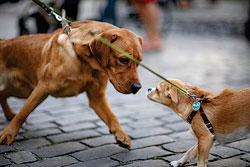
Unlike people, who walk right up to one another, look each other in the eye and shake hands upon first meeting, dogs prefer to greet one another in a more roundabout way. A direct frontal approach may cause tension or even aggression among two dogs, especially unfamiliar dogs.
Further, while dogs are social animals, they also have a defined hierarchy within their own packs. Adding a new dog to your family will disrupt this hierarchy until each dog learns their new place in the pack.
The first meeting is incredibly important and can set the stage for the rest of the relationship. In order to help your dog make friends, not foes, here’s what can help:
10 Top Tips for New Dog-to-Dog Introductions
Stay calm — Your dog will sense your emotions about the meeting and respond in suit. If you’re nervous, stressed or overly excited, your dog may be too. The better option is to stay calm, breathe slowly and portray a relaxed attitude to your dog.
Avoid bringing toys or food — Meeting a new dog is stimulating enough — add in treats and toys and the situation can quickly escalate out of control. Plus, your dog may feel possessive about the food and treats, leading to issues between the dogs.
Try a moving introduction — If you walk purposefully during the introduction (such as between two dogs on a sidewalk), it helps prevent the meeting from getting overly intense.
Meet one-on-one — Your dog should meet new dogs one at a time, as group meetings can be overwhelming. This is one reason why some dogs don’t do well at dog parks.
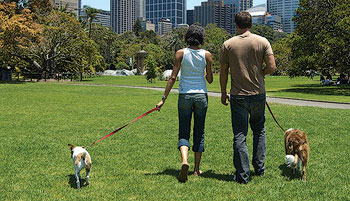
Meet on neutral ground — Avoiding setting up the meeting in your dog’s (or the other dog’s) territory, which may make the dogs feel an intruder is coming in. A neutral location is best.
Let the dogs meet outside — Sometimes a dog will urinate when meeting a new dog, and then walk away to help diffuse tension. The other dog can then sniff the urine and get to know the other dog this way before coming into closer contact.
If the meeting is indoors, housetrained dogs will probably avoid urinating and therefore miss out on this important method of introduction. Checking each other’s smells first is best so your dog can find out more without the risk of direct or aggressive contact. Liken this to reading a bio about someone before meeting them, it helps put you at ease of knowing a little something before a face to face.
Give the dogs room to roam — Holding an introduction in a tight space can be stressful for the dogs, who will prefer room to move freely. This doesn’t mean you should let your dog run loose, but rather use a leash (with some slack) and hold the meeting in the middle of your backyard as opposed to near a fence or doorway.
If you can safely do so (such as in a fenced backyard with two non-aggressive dogs), drop the leash and let your dog approach the other dog as he wishes. (Leave the leash on, however, in case you need to grab it to diffuse tension).
Avoid hovering over your dog — You may want to stay close in case something goes wrong, but hovering over your dog will add to his tension. You should give the dogs space to say hello, and if the situation seems to be getting too stressful, move away from the dogs to lower arousal.
Keep it short — A few minutes is long enough for an initial interaction between two unfamiliar dogs. It keeps the meeting fun and interesting while leaving less time for things to get tense. For dogs that are easily stressed, a short meeting will be essential to keep your dog from feeling overwhelmed.
Introduce your dogs ahead of time — It’s possible to let dogs become familiar with one another before they actually meet. This can be done by letting your dog smell the other dog’s urine or by keeping them in close vicinity without an actual greeting (such as walking two dogs side-by-side, but a few feet apart).
Remember that dogs are different than humans in their social interactions, what makes sense and is good “manners” for us doesn’t apply to dogs. A dog wagging their tail is not inviting a greeting but rather is simply showing that they are stimulated. A dog that is straining to get to you, or your dog straining to get to the other dog doesn’t mean the meeting will be met with enthusiasm by either party. Many times dogs can interact with each other tremendously if they are introduced correctly, so take your time and consider setting your dog up for success.
|