|
At 58 years old, the last thing Samantha expected to be doing was spending her days in bed. She had businesses to run. But she had to give them up because she couldn’t function. Not only did she have no energy, but the brain fog was crippling. After undergoing treatment for multiple strains of Lyme disease, tickborne co-infections, Epstein-Barr and other viruses, Samantha was doing a lot better. But she still had a long way to go before she could function at the level necessary to run a business—or even hold a job—again.
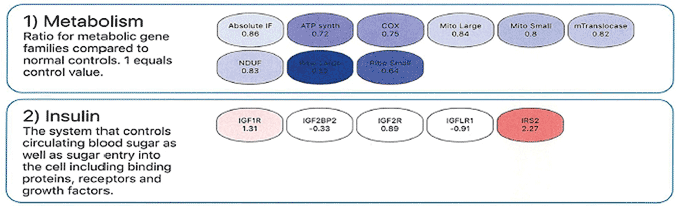
As I reviewed her test results with her, the first finding that jumped out at me was the function of her mitochondrial ribosomes. “This finding here tells me your cells cannot make energy. It doesn’t matter how healthy you eat, how many pills you take, how many treatments you undergo. Until we fix this problem, it will be as if you are flooring the gas pedal and only going 1 mile per hour.” Samantha didn’t need to see the rest of her results. She broke down in tears. “You have no idea how validating this is! I knew all along it wasn’t just in my head!”
Samantha suffers from Chronic Inflammatory Response Syndrome. Also known as CIRS, this is a multi-symptom illness triggered by exposure to biotoxins from mold, Lyme disease, and a variety of microorganisms found in water-damaged buildings. It involves a prolonged and often debilitating inflammatory response, leading to a wide range of symptoms affecting multiple organ systems. Although many people with CIRS are still being exposed to the biotoxins, others are not. Instead, they continue to suffer from the damage left over from the toxic insults. Long-COVID is another known trigger, where the infection is long gone but the immune system and metabolic dysfunction persist.
 The problem with people who suffer from CIRS is that they look completely normal on the outside. People around them believe they just need to get off their butts and pull themselves up by their bootstraps. For their part, doctors run a few basic labs and proclaim the patient is normal. These people would be rich if they had a dollar for every time they heard, “There is nothing wrong with you.” Sufferers are made to feel that it’s all in their head, that they’re just getting older, or that there is nothing that can be done to get better. The problem with people who suffer from CIRS is that they look completely normal on the outside. People around them believe they just need to get off their butts and pull themselves up by their bootstraps. For their part, doctors run a few basic labs and proclaim the patient is normal. These people would be rich if they had a dollar for every time they heard, “There is nothing wrong with you.” Sufferers are made to feel that it’s all in their head, that they’re just getting older, or that there is nothing that can be done to get better.
But it’s not the doctors’ fault. We are not taught about CIRS in medical school. In fact, it was not until recently that the physician-scientist who discovered CIRS started training a handful of doctors to recognize, test for, and treat the condition. And few undergo the training because it’s not as simple as prescribing a drug. Cure requires progressing through a series of steps, each determined by the results of highly sophisticated tests I had never heard of in medical school. Actually, many of the tests had not even been invented until long after I graduated from medical school and residency training. Further complicating the treatment of this condition is the fact that one cannot progress to the next step until the current step has been completed and the associated abnormality resolved. The doctor can’t just say, “Take this drug and let’s see how you’re doing in six months.”
Compounding Samantha’s struggle was the fact that her husband could neither appreciate that her problem was “real”, nor just how crippling it was for her. They lived in the same home and ate the same healthy food. They were both exposed to the same mold from water damage. Sure, Samantha had Lyme disease as well, but we took care of that together. How could she and her husband have such vastly different health? The answer lies in their genetics. Samantha has a gene that makes her extremely sensitive to mold toxin. Although she feels poorly all the time, she feels particularly bad around mold. When others are blissfully unaware of its presence, her body revolts immediately when there is any mold in the air, even if it is coming from the other side of drywall and cannot be seen. Within minutes, she develops a headache, body aches, brain fog, insomnia, and exhaustion. If that’s not bad enough, if a building has wi-fi in it, her symptoms are even worse. This is because mold spores have been proven to increase by 300 times in the presence of very high-frequency electromagnetic radiation, which is what Wi-Fi is.
Fortunately for Samantha, we were able to not only explain why she has for so long been a shadow of her former self, but also why her blood sugars remain high in spite of following such a healthy diet: Fuel (her food) cannot get into her mitochondria to produce energy. As a result, she has developed insulin resistance, which will eventually lead to diabetes, with all of its complications. This was an additional relief to her since she has been so frustrated not being able to get her blood sugars down in spite of her normal weight and excellent diet.
Lastly, testing revealed that Samantha is on her way to dementia, as the circulation in her brain is decreased and neurons are being destroyed. She was excited to discover this can be fixed so she and her family do not have to worry about an even more incapacitating surprise as she gets older.
One of the problems doctors have with diagnosing CIRS, aside from not even knowing it exists, is not knowing how to recognize the signs and symptoms that suggest it might be the problem. You are more likely to have CIRS the more of the following you have: Fatigue, weakness, inability to retain new information, headaches, light sensitivity, memory impairment, difficulty finding words, difficulty concentrating, joint pains, body aches, morning stiffness, muscle cramps, strange skin sensitivity, tingling, shortness of breath, sinus congestion, cough, excessive thirst, confusion, appetite swings, irregular body temperature, urinating frequently, red eyes, blurred vision, night sweats, mood swings, ice-pick pains, belly pain, diarrhea, numbness, eyes tearing, disorientation, metallic taste, static shocks, and vertigo.
In case you haven’t noticed, any one of these could be due to lots of different problems. Normal medical testing such as blood tests, CT scans, stool tests, etc. will all come back normal in a person with CIRS. And the conventional treatments for most of these symptoms are just drugs intended to alleviate the symptoms temporarily, requiring lifelong treatment with less-than-optimal control and often unacceptable risks or intolerable side effects. But when a person suffers from a handful of these symptoms, the likelihood of CIRS goes up. This is really good news. It means you aren’t crazy. It means you can find out why you suffer from so many strange symptoms. And it means you can get your life back.
If you suspect CIRS might be your problem, and you keep running into roadblocks asking for help from primary care physicians and specialists alike, call (435) 259-4466 in Moab or (435) 210-0184 in Utah County to get the answers and solutions you need. You don’t have to suffer any longer.
|
 June marks Men’s Health Month, a time to shine a light on some of the health challenges facing men and encourage them to take proactive steps toward living longer, healthier lives. With busy schedules, outdoor adventures, and family responsibilities, many men in Moab may not prioritize their health—but small changes can make a big difference. June marks Men’s Health Month, a time to shine a light on some of the health challenges facing men and encourage them to take proactive steps toward living longer, healthier lives. With busy schedules, outdoor adventures, and family responsibilities, many men in Moab may not prioritize their health—but small changes can make a big difference.
Mental Health Deserves Attention
Utah continues to face one of the highest suicide rates in the country, and men are disproportionately affected. Mental health conditions like depression and anxiety often go untreated. Moab Regional Hospital reminds the community that seeking help is a sign of strength, and confidential support is available locally through counseling services.
Substance Use: Know When to Seek Help
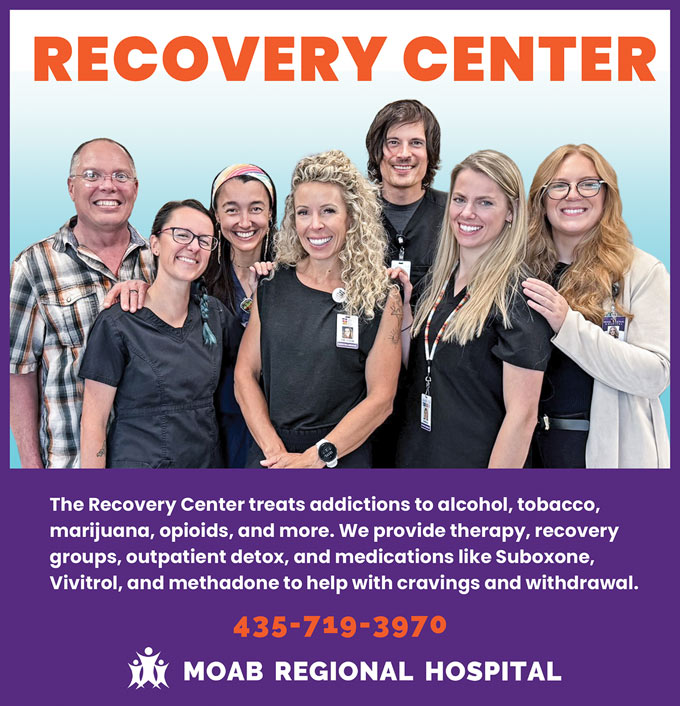
Alcohol remains the most commonly misused substance in Utah. Excessive drinking can lead to liver disease, heart problems, and mental health struggles. Moab Regional Hospital’s Recovery Center offers outpatient support, including therapy and medication-assisted treatment.
Heart Disease Still the Leading Threat
Heart disease is the number one cause of death for men in both Utah and the nation. Risk factors such as high blood pressure and cholesterol are often silent but detectable with routine tests and exams. Regular screenings can help identify issues before they become serious.
Screenings Save Lives
Prostate and colorectal cancer are among the most common cancers affecting men. Early detection is key. Men over 45—or younger men with a family history—are encouraged to talk to their healthcare provider about getting screened.
Diabetes on the Rise
Diabetes rates are increasing among Utah men. Left unmanaged, the condition can lead to heart disease, kidney problems, and other complications. However, with proper care and lifestyle changes, it can be controlled or even prevented.
Local Resources at Moab Regional Hospital
Moab Regional Hospital offers a wide range of services to help men stay on top of their health:
• Family Medicine & Preventive Care – Comprehensive exams, blood pressure checks, diabetes tests, and vaccinations
• Mental Health Counseling – Private sessions for individuals and families
• Recovery Center – Support for alcohol or substance use
• Cancer Screenings – Early detection for prostate, colorectal, and other cancers
Take the First Step
Moab Regional Hospital encourages men in the community to schedule their annual check-ups and take an active role in their health. Appointments can be made by calling 435-719-5500.
Taking care of physical and mental health isn’t just good for the individual—it benefits families and strengthens the entire Moab community.
|

